Physical Address
304 North Cardinal St.
Dorchester Center, MA 02124
Physical Address
304 North Cardinal St.
Dorchester Center, MA 02124
Through Diversity and Inclusion
Through Diversity and Inclusion
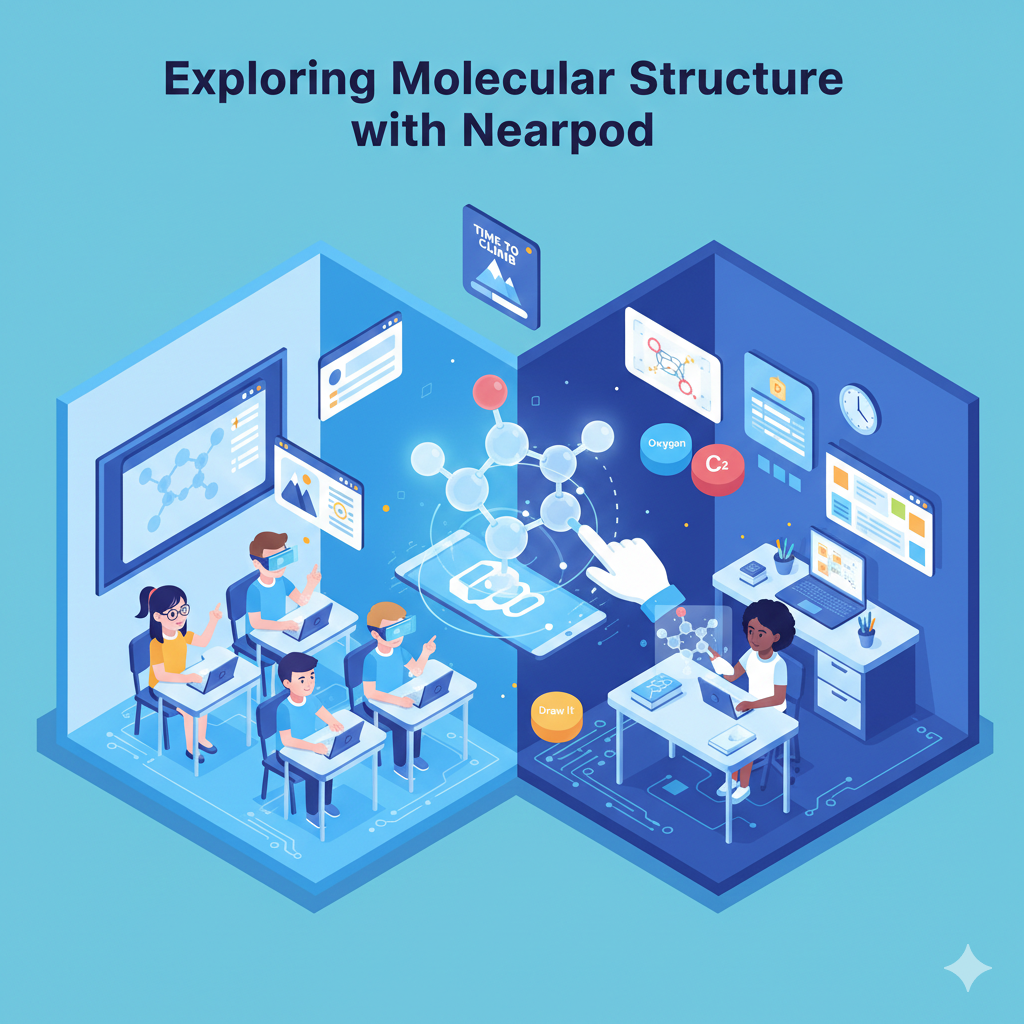
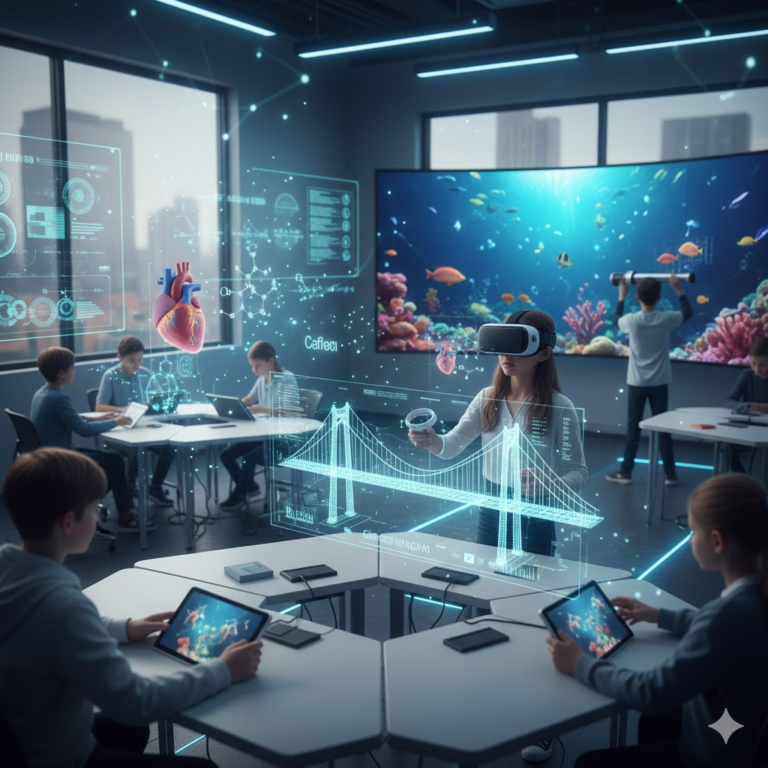
The rise of immersive digital tools has transformed the design of learning objects in online and blended environments. Modern instructional platforms now integrate multimedia, real-time assessment, interactive simulations, and AR/VR experiences that promote active participation rather than passive learning. Research suggests that interactive environments improve learner engagement and knowledge retention by helping students visualize complex processes and actively construct meaning (Stelter & Kim, 2023). In science education, immersive visualization tools are especially powerful because they support spatial reasoning and help learners understand microscopic structures that cannot be observed directly (Zhang & Wang, 2021). When incorporated into modular learning objects, these technologies create flexible, reusable instructional experiences adaptable across multiple teaching contexts.
Effective learning objects require thoughtful design decisions. Dumitrica and Jarmula (2022) emphasize that Dynamic Learning Objects should balance information delivery with contextualized learning experiences that allow students to explore and apply concepts. Selecting appropriate design tools, therefore, involves considering accessibility, learner interaction, interoperability, and support for diverse learning needs. Platforms aligned with Universal Design for Learning (UDL) principles provide multiple ways for students to engage with content and demonstrate understanding. Nearpod meets these criteria by combining guided instruction, embedded assessment, and immersive exploration within one structured environment.
Guided by these principles, this learning object—an Interactive Molecular Structure Exploration Module (Aggregated Learning Object)—uses interactive simulations and 3D molecular visualization to help students understand how atoms combine to form molecules through guided inquiry and frequent concept checks.
Learning Objective:
Students will use embedded simulations and interactive 3D molecular models within Nearpod to explore the basic structure of molecules by identifying atoms, examining molecular composition, and explaining how different atoms combine to form compounds.
The module begins with a background knowledge check to activate prior understanding of atoms and elements. Students then explore 3D molecular structures, rotating and zooming models to identify atom types and observe molecular arrangements. Guided inquiry prompts encourage learners to analyze patterns and relationships while interactive simulations demonstrate how atoms combine to form substances.
Frequent concept checks help reinforce learning and prevent misconceptions. Students apply their understanding through drag-and-drop matching activities, collaborative discussions, and visual labeling tasks. This structured progression allows learners to move from exploration to explanation, supporting inquiry-based and constructivist learning approaches.
Nearpod supports engagement through multiple interactive tools, including:
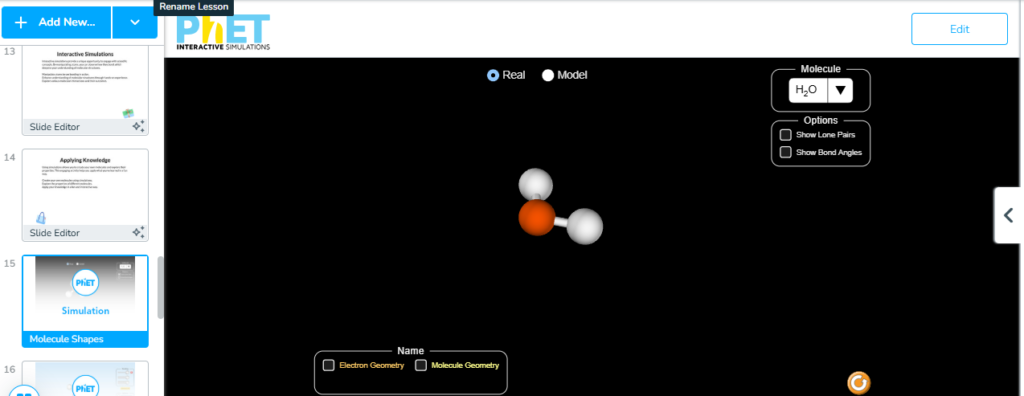
These elements encourage active participation while providing teachers with real-time insight into student understanding.
Accessibility features such as audio narration, captions, multilingual vocabulary supports, and adjustable pacing ensure equitable participation. Alternative hands-on modeling options maintain a balance between digital and non-digital learning experiences. The module integrates easily with Canvas, Blackboard, and Google Classroom, making it reusable across grade levels and adaptable for in-person, hybrid, or online instruction.
Colleagues can implement this learning object using a simple workflow:
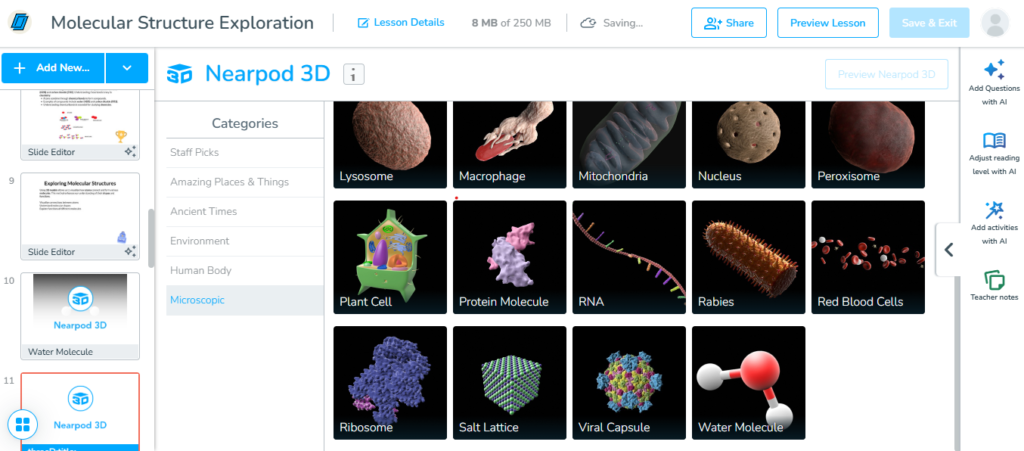
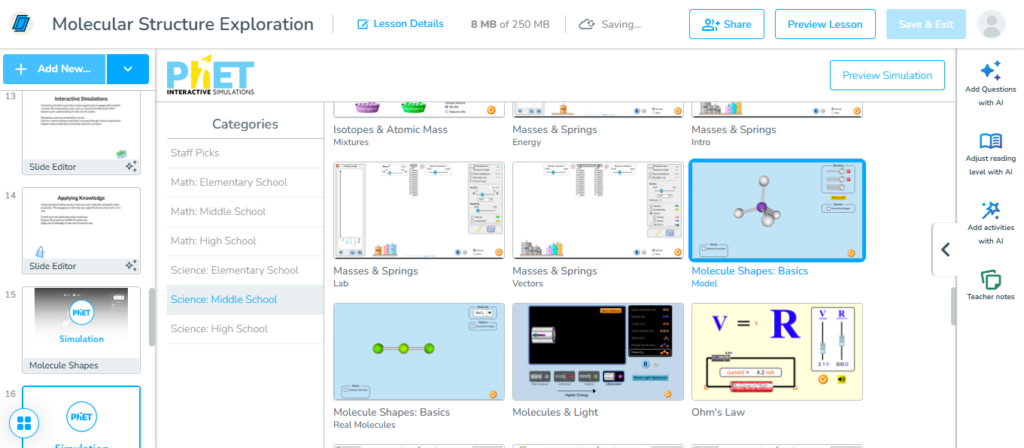
Nearpod VR integrates AI to generate lessons quickly by adding prompts, objectives, and directions that can be easily edited. Please click on the link to check out my demo lesson. Molecular Structure Exploration
The Interactive Molecular Structure Exploration Module demonstrates how Nearpod transforms abstract chemistry concepts into observable learning experiences. Through immersive visualization, guided inquiry, and continuous feedback, students actively construct an understanding of molecular structure. The learning object aligns with constructivist principles and UDL while remaining flexible and reusable.
I strongly recommend Nearpod for colleagues seeking an efficient yet powerful instructional design tool. By combining simulations, 3D visualization, collaboration, and assessment into a single platform, Nearpod reduces instructional complexity while increasing engagement. For educators teaching abstract scientific concepts, it offers a practical, classroom-ready solution that supports meaningful learning and adaptable instruction.
References
Dumitrica, D., & Jarmula, P. (2022). Teaching qualitative research methods in media and communication: The benefits and limitations of digital learning objects. Qualitative Report, 27(9), 1934–1951. https://doi.org/10.46743/2160-3715/2022.5256
Stelter, A. K., & Kim, E. (2023). Looking through the virtual glasses: Exploring student experience with augmented reality in human anatomy courses. Journal of the California Dental Hygienists’ Association, 41(2), 12–19.
Zhang, Weiping & Wang, Julie. (2021). Theory and Practice of VR/AR in K-12 Science Education—A Systematic Review. Sustainability. 13. 12646. 10.3390/su132212646.