Physical Address
304 North Cardinal St.
Dorchester Center, MA 02124
Physical Address
304 North Cardinal St.
Dorchester Center, MA 02124
Through Diversity and Inclusion
Through Diversity and Inclusion
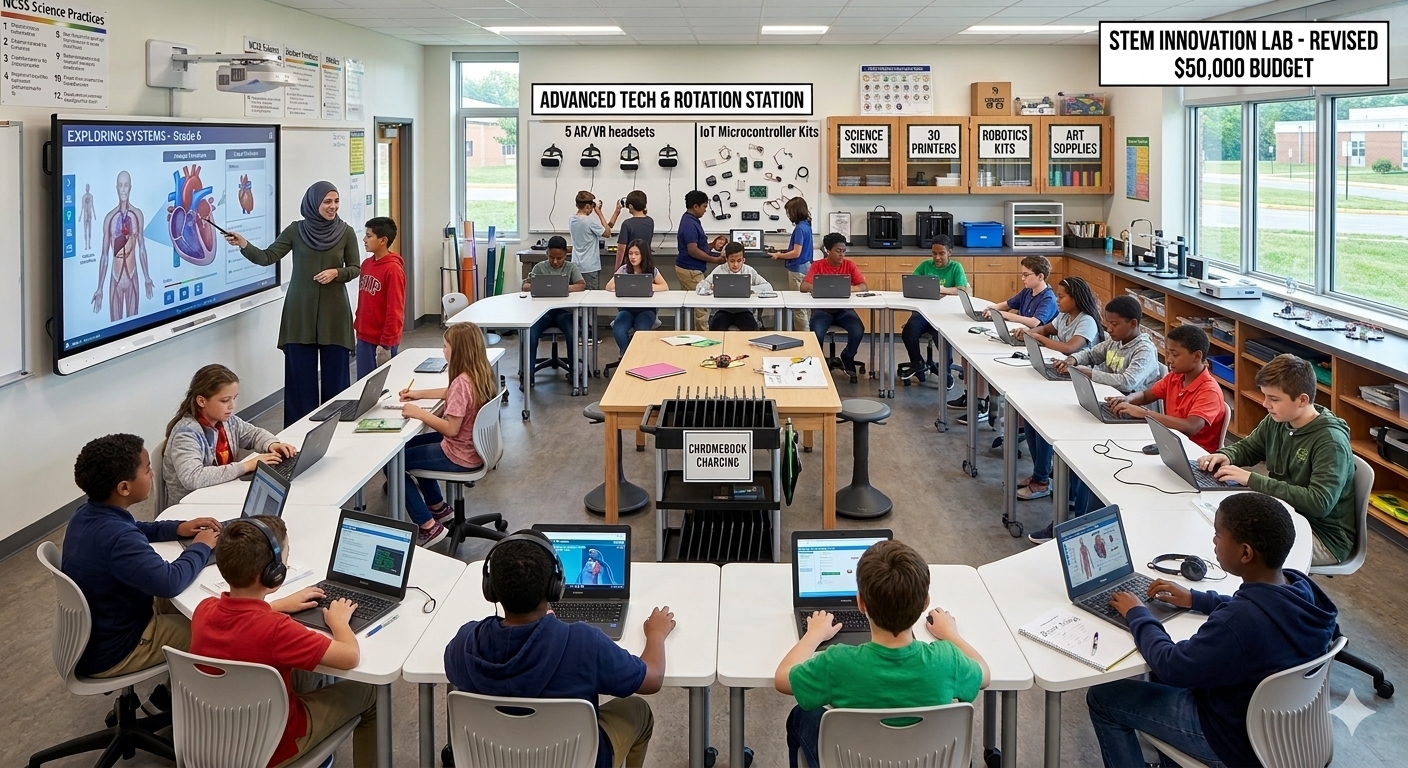
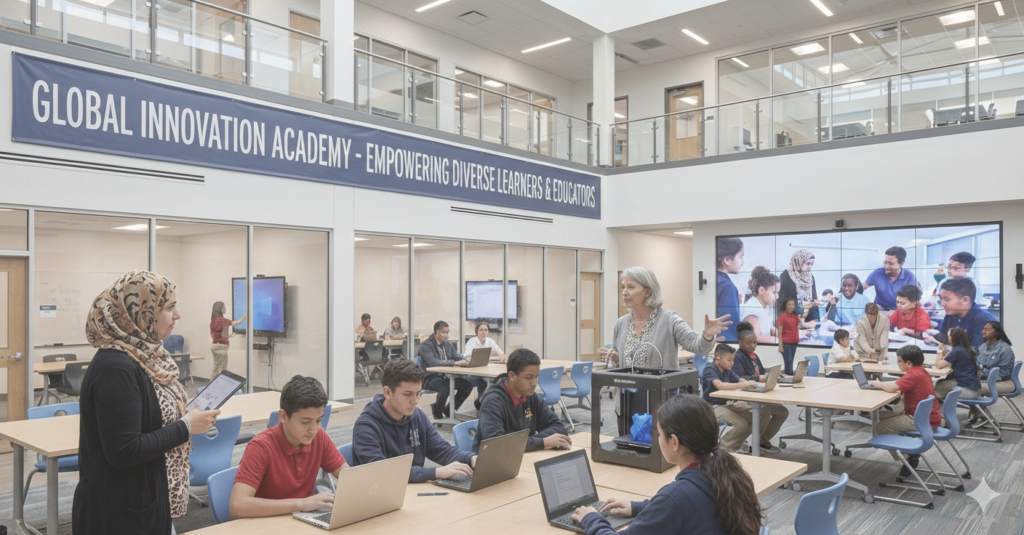
What if a traditional computer lab could become a dynamic STEM innovation space that sparks curiosity, collaboration, and real scientific exploration? That is the vision behind my revised proposal to transform an existing school computer lab into a technology-rich STEM learning environment for students in grades 4–8 aligned with the Next Generation Science Standards (NGSS).
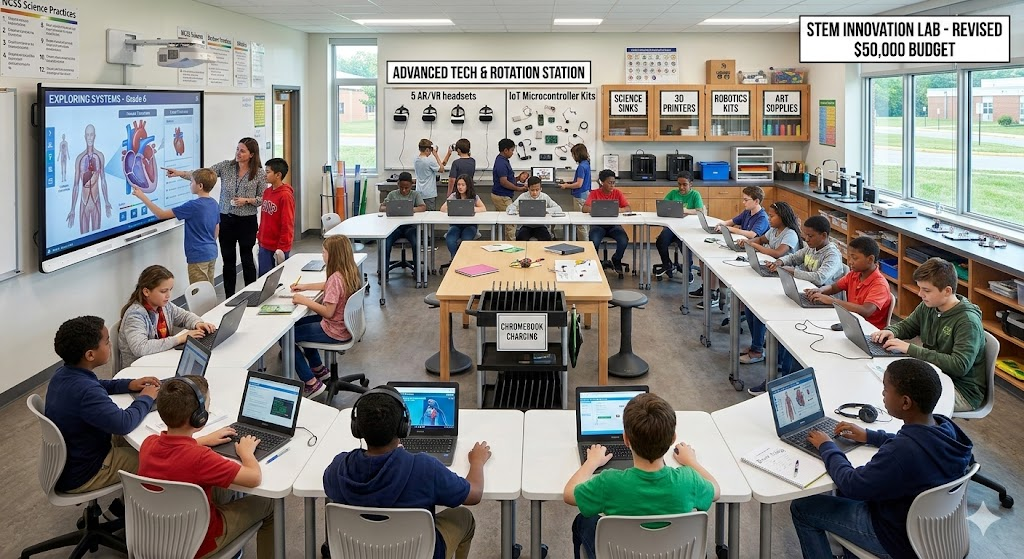
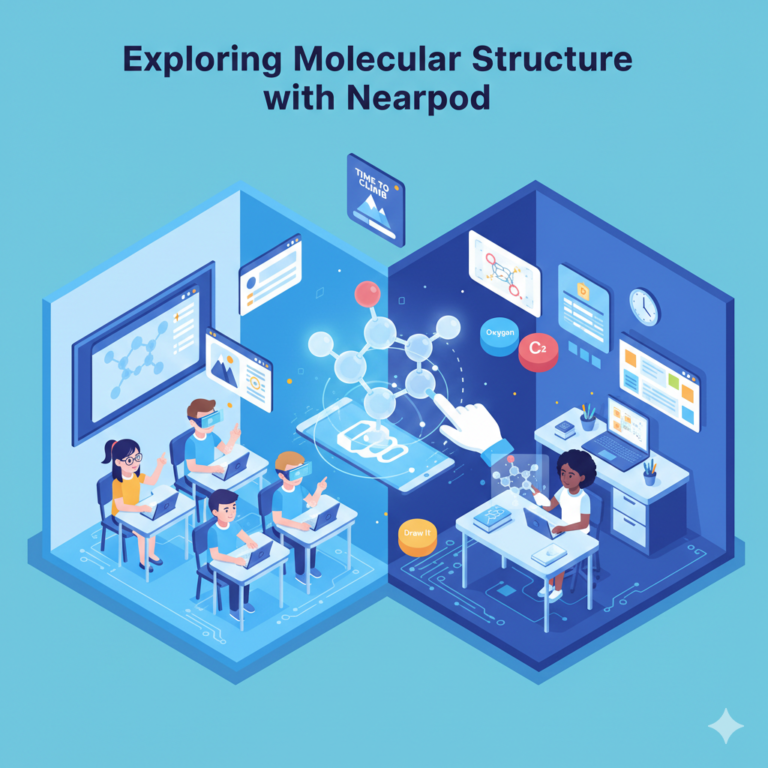
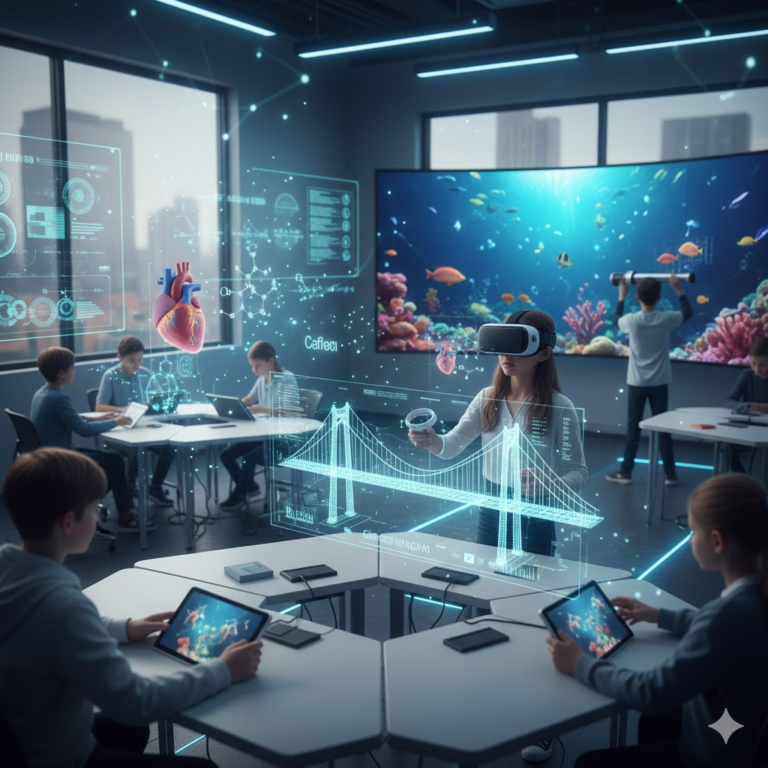
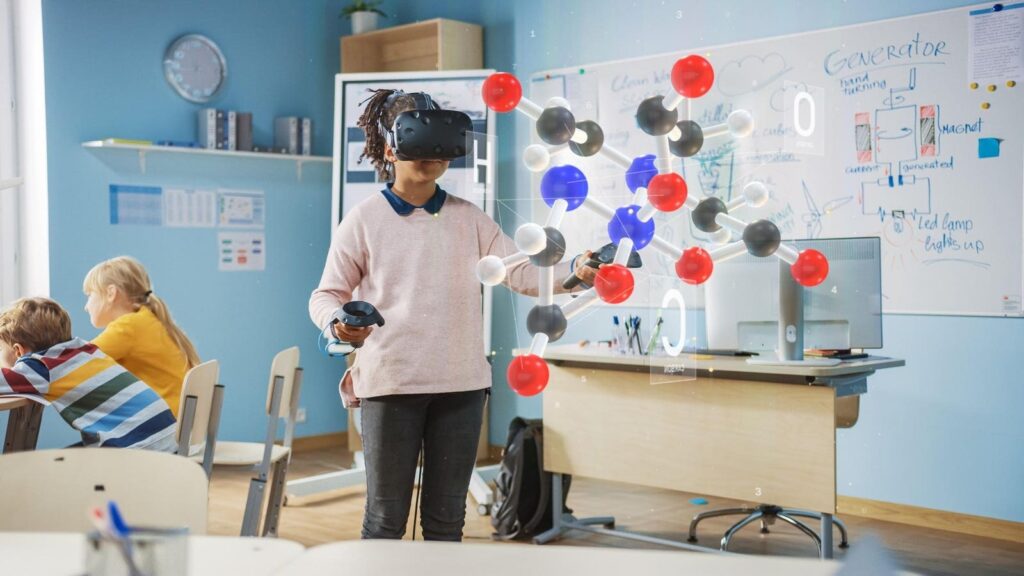
The redesigned lab integrates Chromebooks, interactive displays, simulations, and collaborative digital tools to support inquiry-based learning and scientific reasoning. Students will engage in activities such as analyzing real-world data, designing digital models, and conducting virtual investigations. To deepen engagement and conceptual understanding, the lab also introduces scaled emerging technologies, including augmented reality (AR), virtual reality (VR), and Internet of Things (IoT) microcontroller kits, which allow students to visualize complex scientific processes and participate in authentic STEM design challenges. Research shows that immersive technologies can support collaborative and experiential learning in STEM education by helping students interact with complex 3D concepts and scientific models.
Importantly, the proposal demonstrates how innovation can occur within responsible financial constraints. The project budget was strategically revised from $60,000 to $50,000 by prioritizing high-impact instructional technologies, scaling advanced tools through rotation models, and reducing nonessential costs while preserving accessibility and instructional effectiveness.
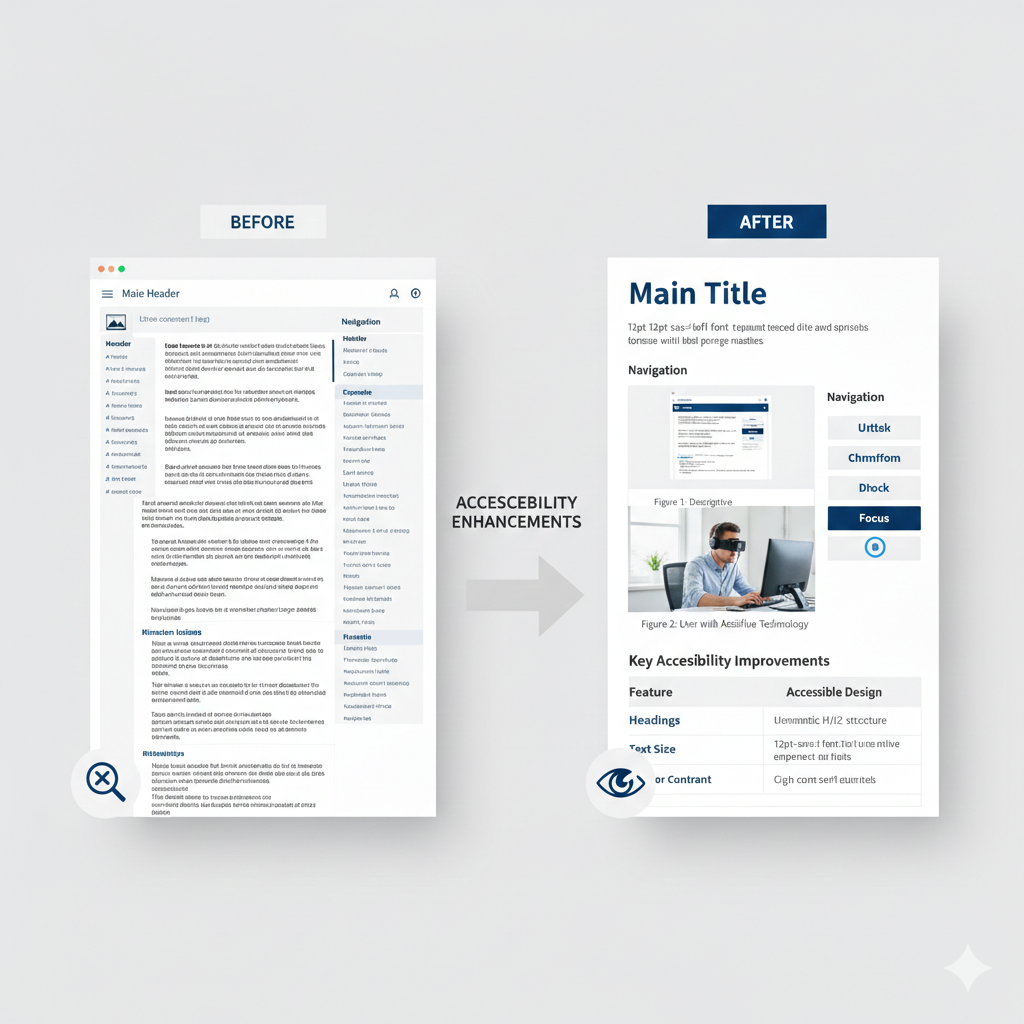
Equity and accessibility are also central to the design. Assistive technologies, inclusive digital tools, and differentiated learning strategies ensure that multilingual learners and students with diverse learning needs can fully participate in STEM investigations.
I would love to connect with fellow educators, instructional technologists, and STEM leaders who are exploring similar innovations.
Let’s collaborate, share ideas, and continue building inclusive, innovative learning environments that prepare students for the future of STEM.